-43%
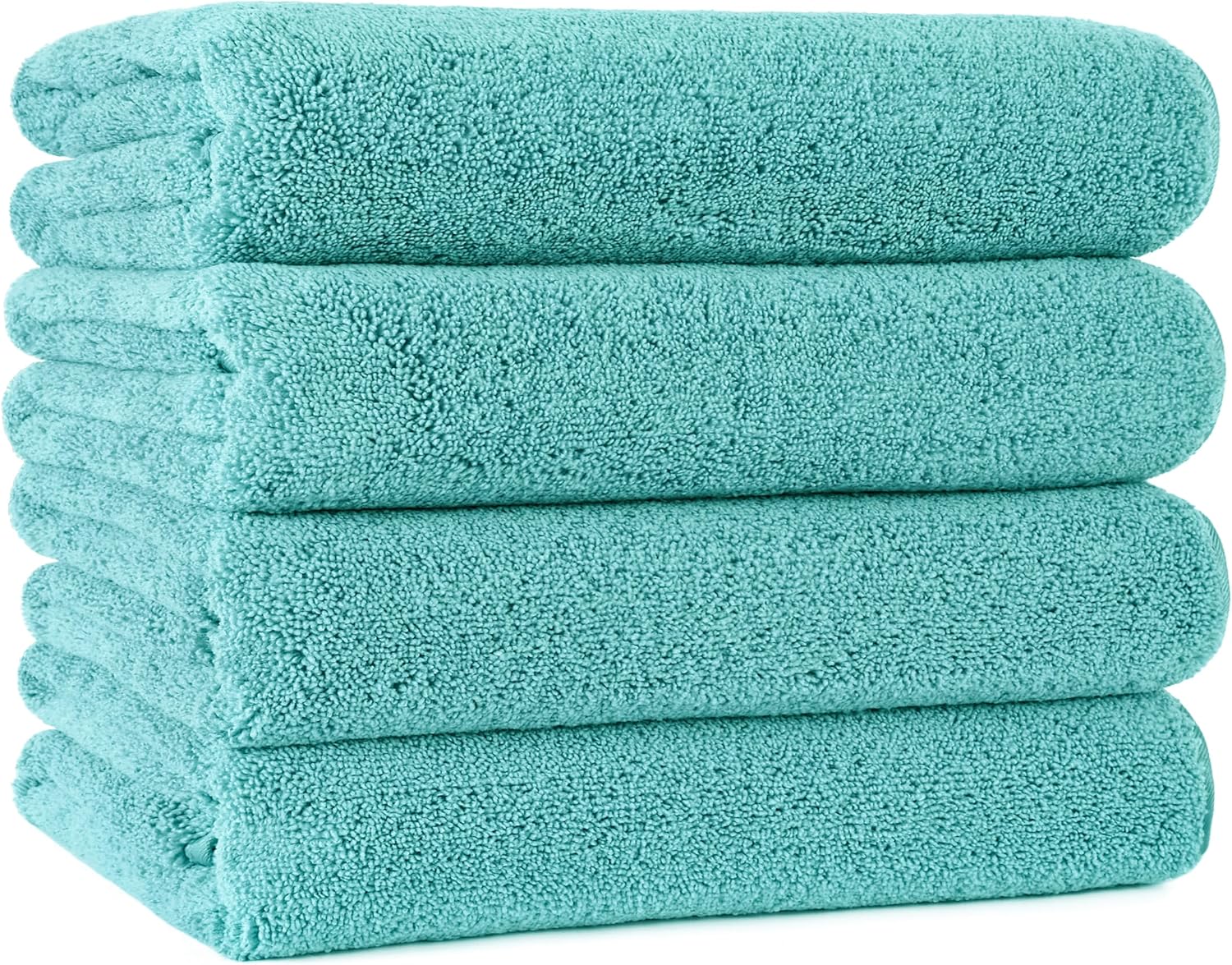

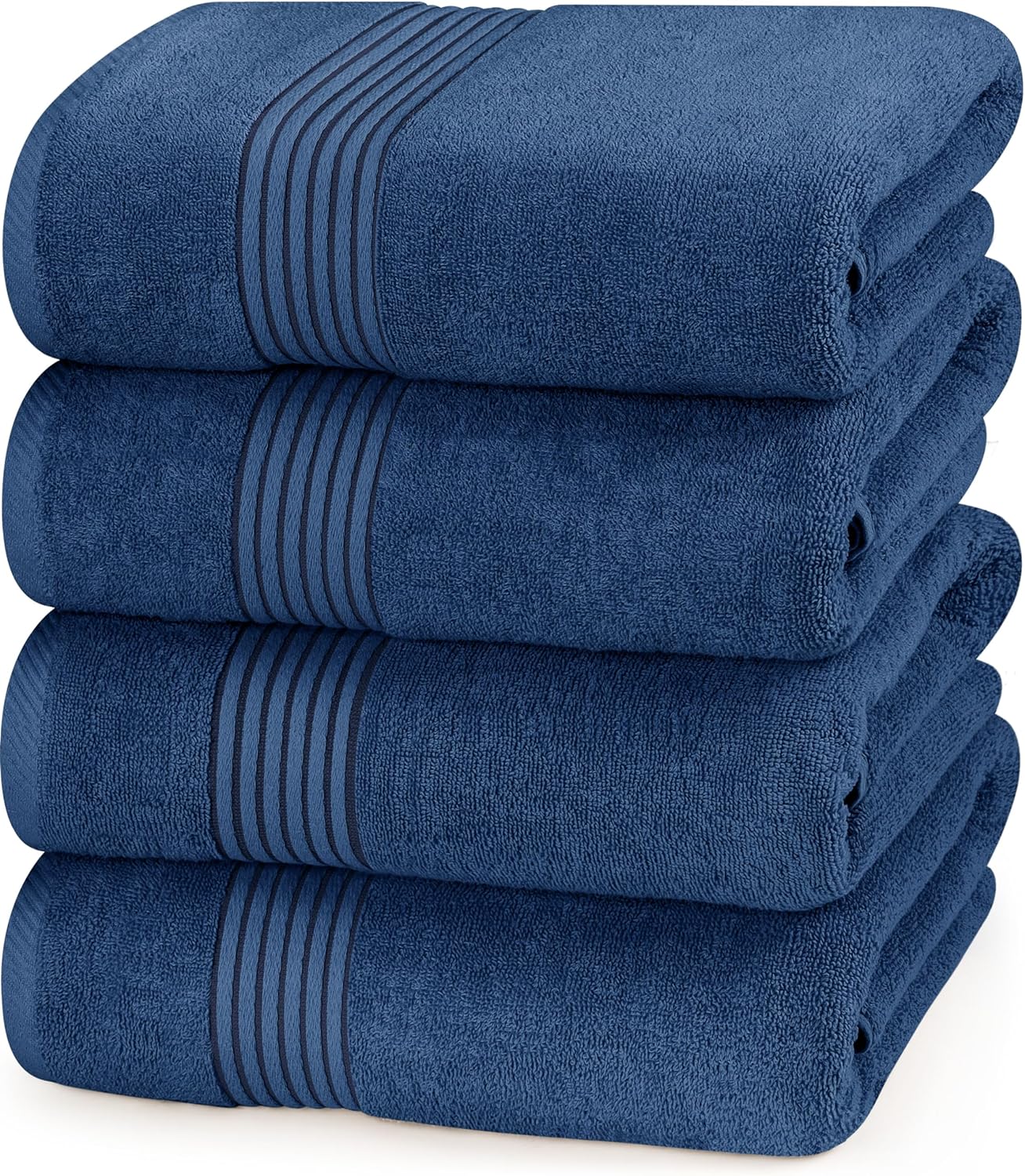
POLYTE Microfiber Quick Dry Lint Free Bath Towel, 57 x 30 in, Pack of 4 (Aqua)
$ 12.56
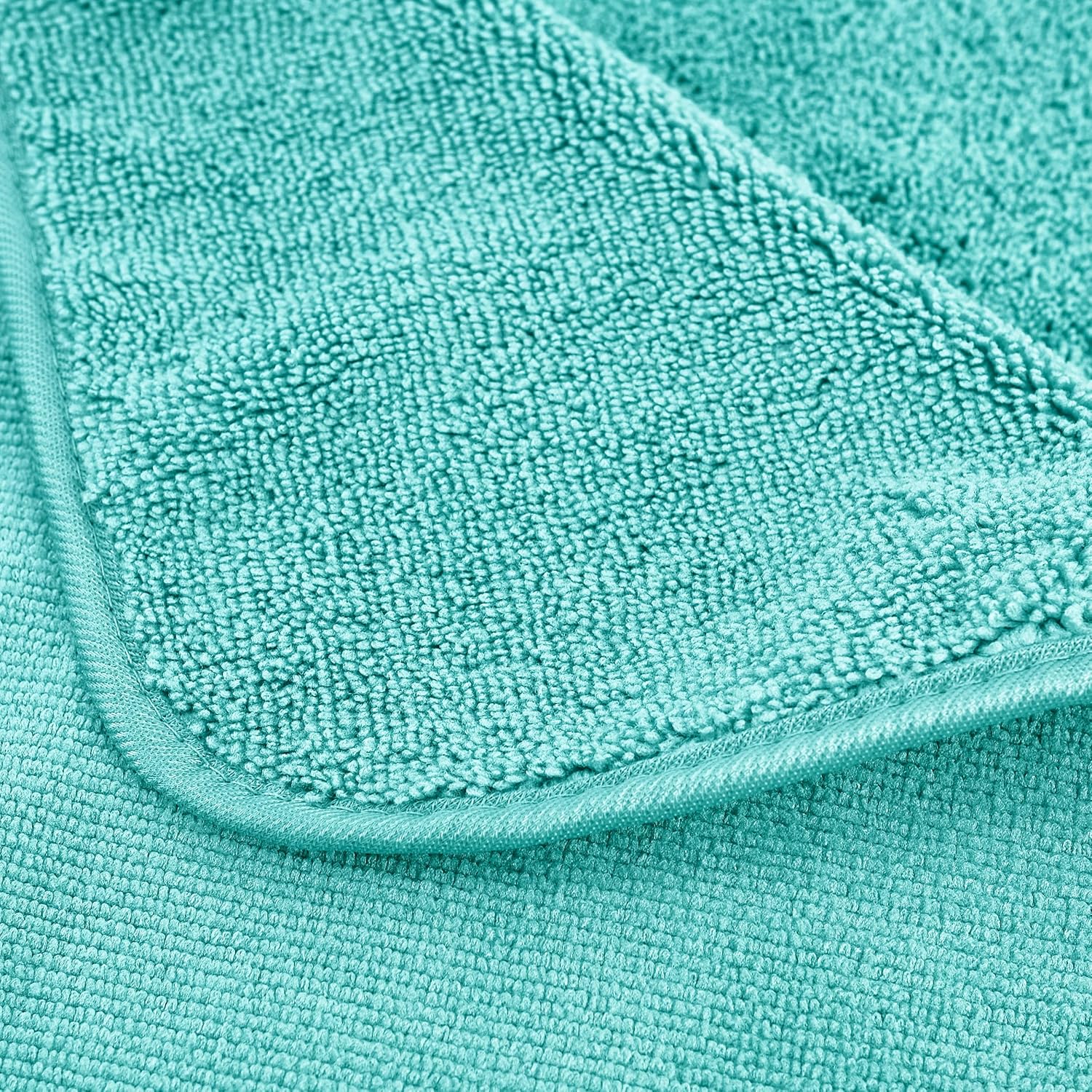
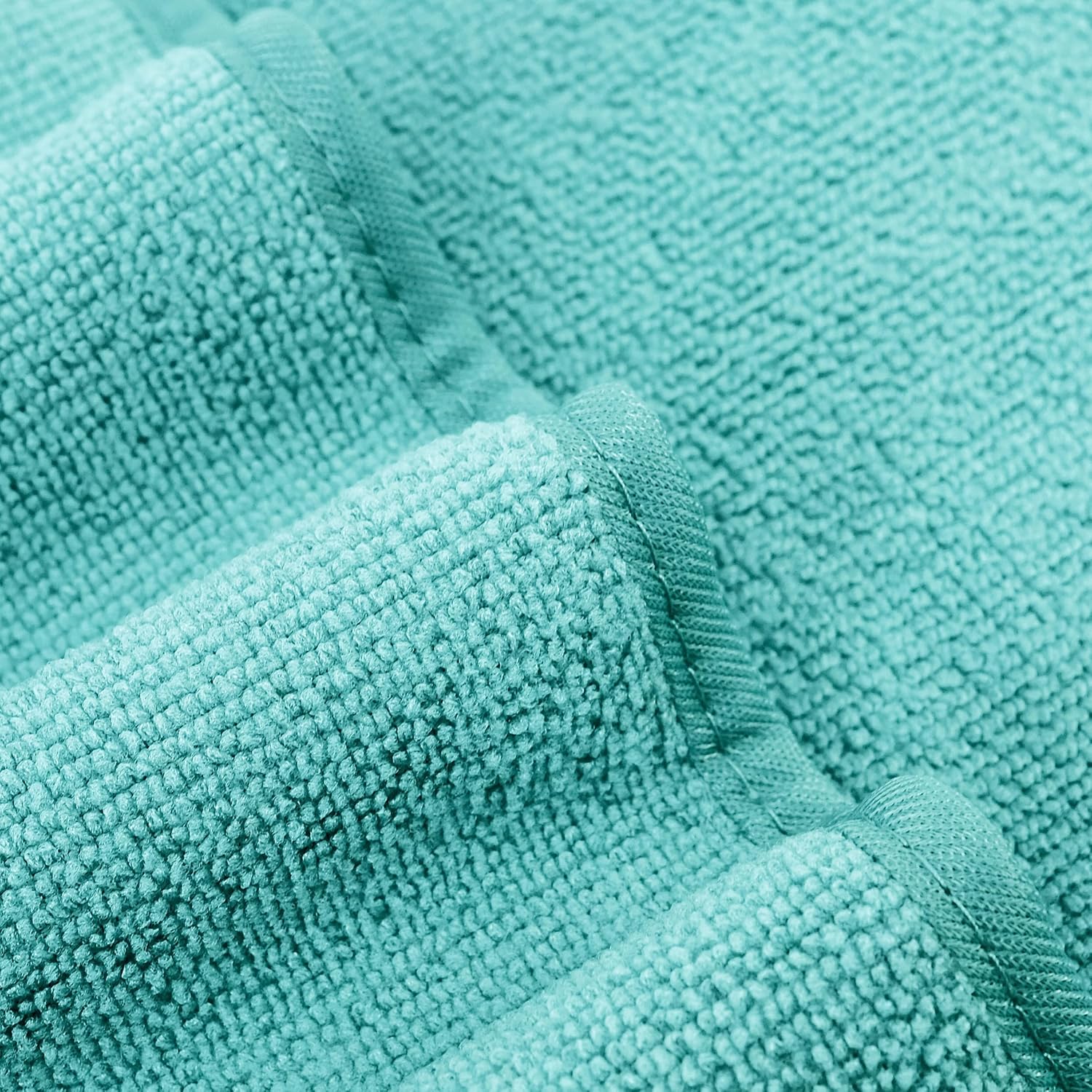
I was very impressed with using microfiber towels as rags at work and decided to try them in the home.These larger towels have a taller and slightly less dense pile than the ones I use as rags. It is very soft against the skin. After a shower there is no doubt that your body is dryer after using microfiber then they would be after using cotton towels. There is a slightly different technique involved, hard to describe, more of a drag than a pat-down. Especially when drying hair, instead of scrubbing like with cotton, you just pull it across your hair. The hair becomes MUCH dryer than with cotton towels, blow-dry time is far shorter.When you then hang the towel on a rod, it becomes much dryer, much quicker than a cotton towel. The same towel can be used more times before washing. When removing the towel from the washing machine, it’s lighter than a cotton towel, meaning more water has been released in the washer’s spin cycle, and they spend less time in the dryer. They also store folded in a space about 40 percent smaller than cotton towels.I got three of the four-packs in 57*30 size. I had previously ordered a single towel from another manufacturer to try it out, and was very pleased to find this Polyte brand has a thicker pile than the other brand. It’s still thinner than a deluxe cotton towel, but thicker than any other microfiber I have seen.Long-term durability is still a question mark. I tried stretching one by stepping on one end and pulling with both hands and all my strength with no ill effects.So I don’t see any cons at all. Microfiber towels perform better than cotton in every respect that I can see.Except….Not sure if these are polyester, polyamide, or polypropylene, it’s probably a combination.Plastics released into he environment break down over centuries. Where do they go? They break down into microscopic particles of plastic, and that’s when they can enter the food chain. Nobody knows the true long-term effects of plastics in the environment. Make no mistake, this product releases particles of plastic that are already broken down to microscopic size into your home environment, where you will breath or ingest them. I am far enough on the downhill side of life to say “meh”, but if I still had kids around here, maybe I’d think different.Then again, this effect has already been going on with all your poly-blend and other synthetics for seventy years. The only difference here is that the fiber is already broken down to microscopic size so that even plankton can consume them. It is said Americans consume about the weight of a credit card in plastics every month. You and I are living in an experiment.Lastly, If your local sewage treatment plant could put an outright ban microfibers, they would. They have a really tough time removing these from water as they tend to bind with other contaminants. They don’t get it all and some goes to the river and the ocean soon after.